









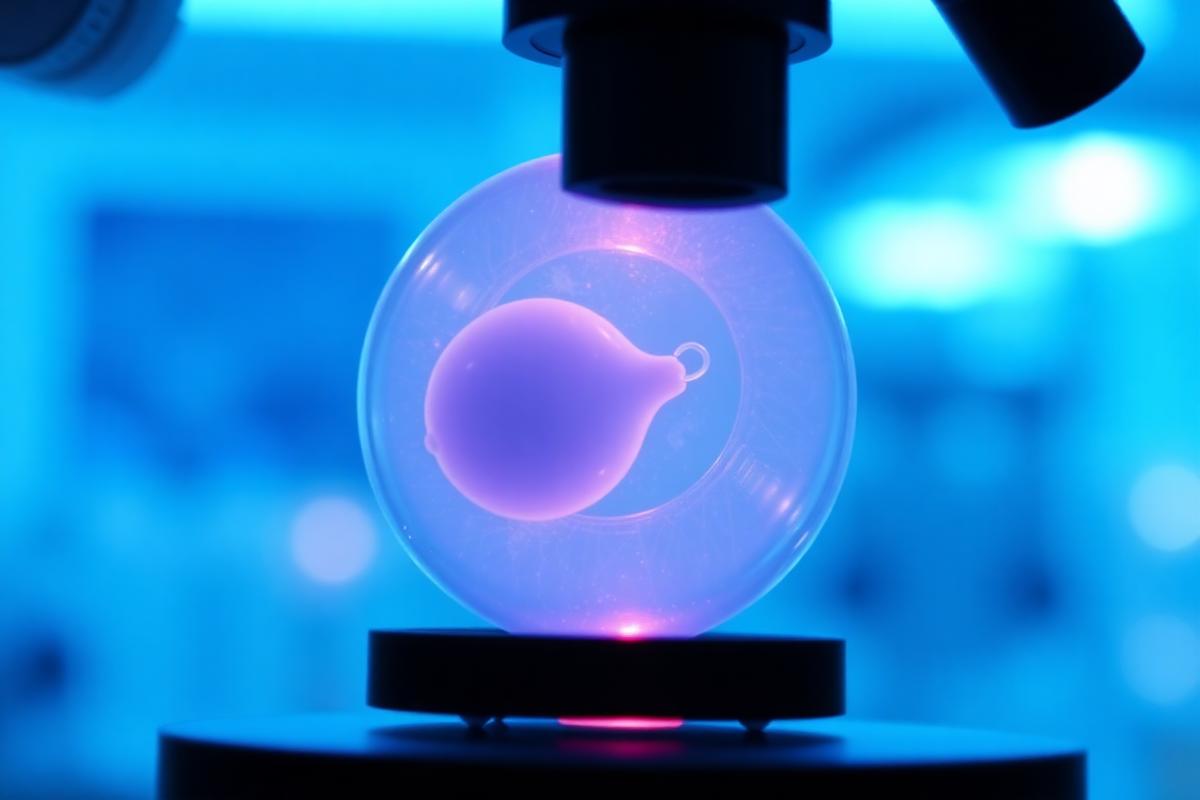
Why we no longer transfer more than one embryo
For years, IVF meant transferring two, sometimes three embryos in the hope that one would stick. It worked — but it also gave us twins, triplets, premature births, and NICU stays that families never fully recover from.
What the modern lab changed
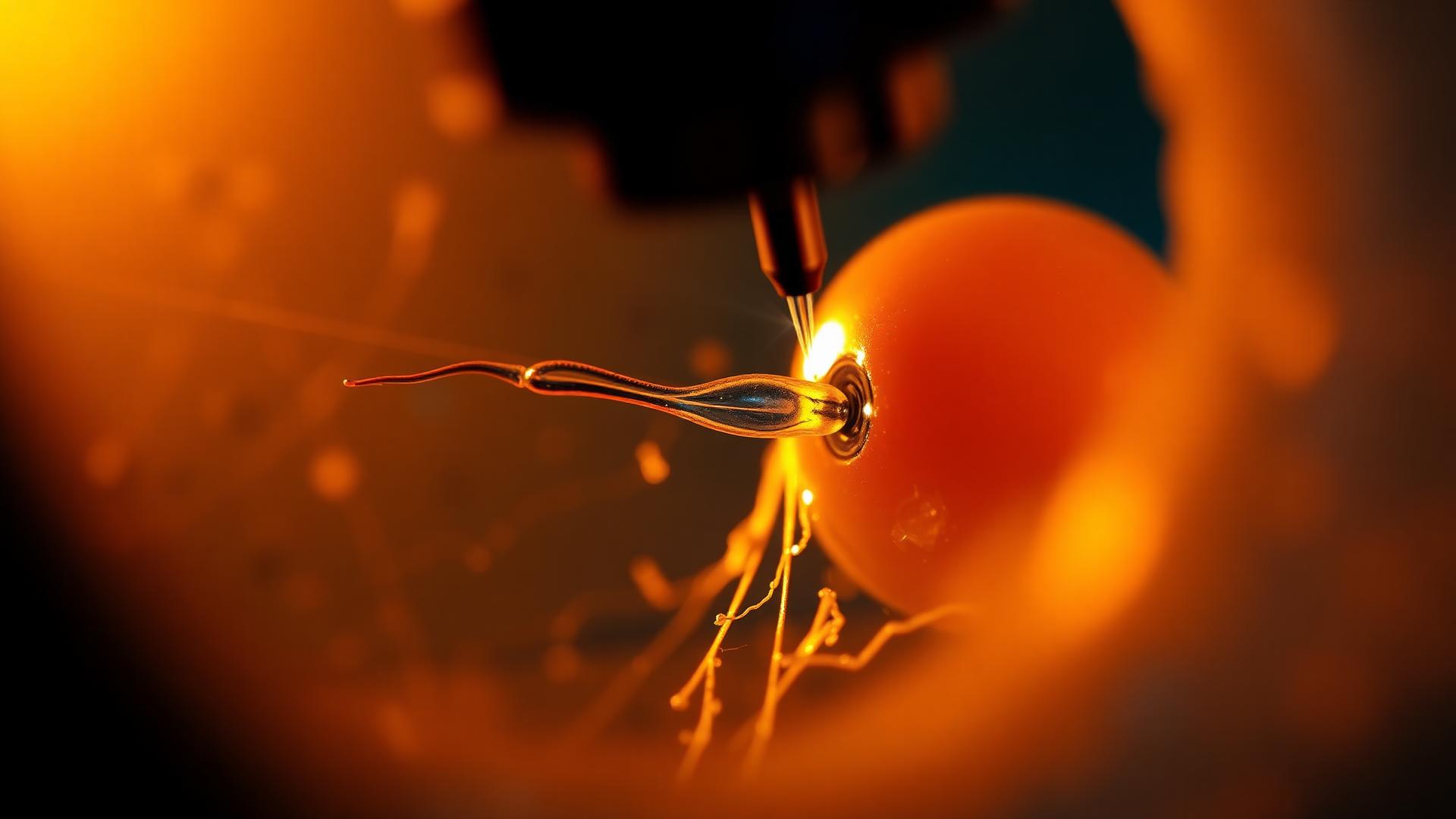
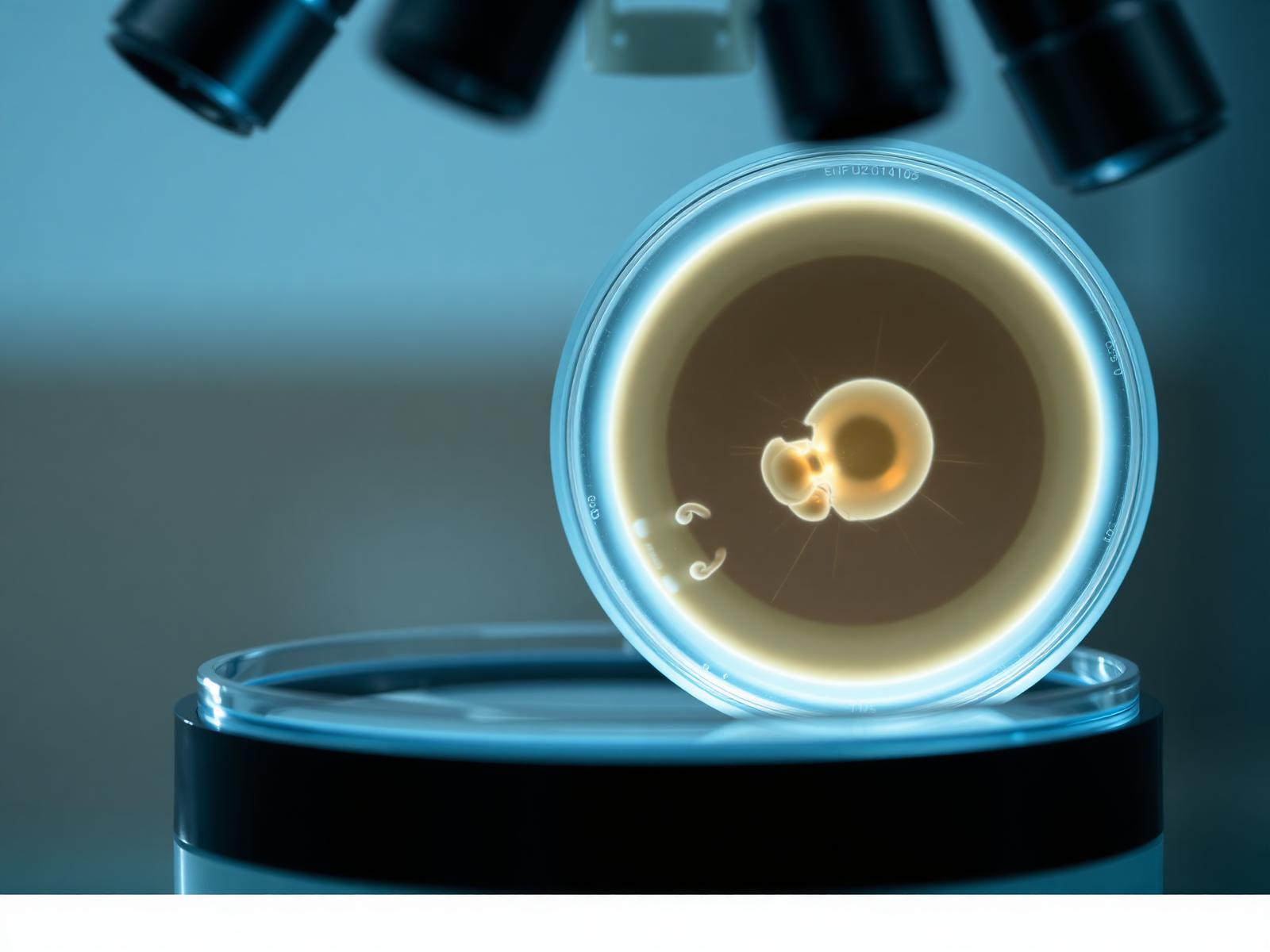
With day-5 blastocyst culture, time-lapse imaging and (when needed) genetic screening, we can pick a single embryo with the highest implantation potential. Live-birth rates per transfer are now comparable to double-embryo transfers of a decade ago — without the twin risk.
Twin pregnancies are not a bonus
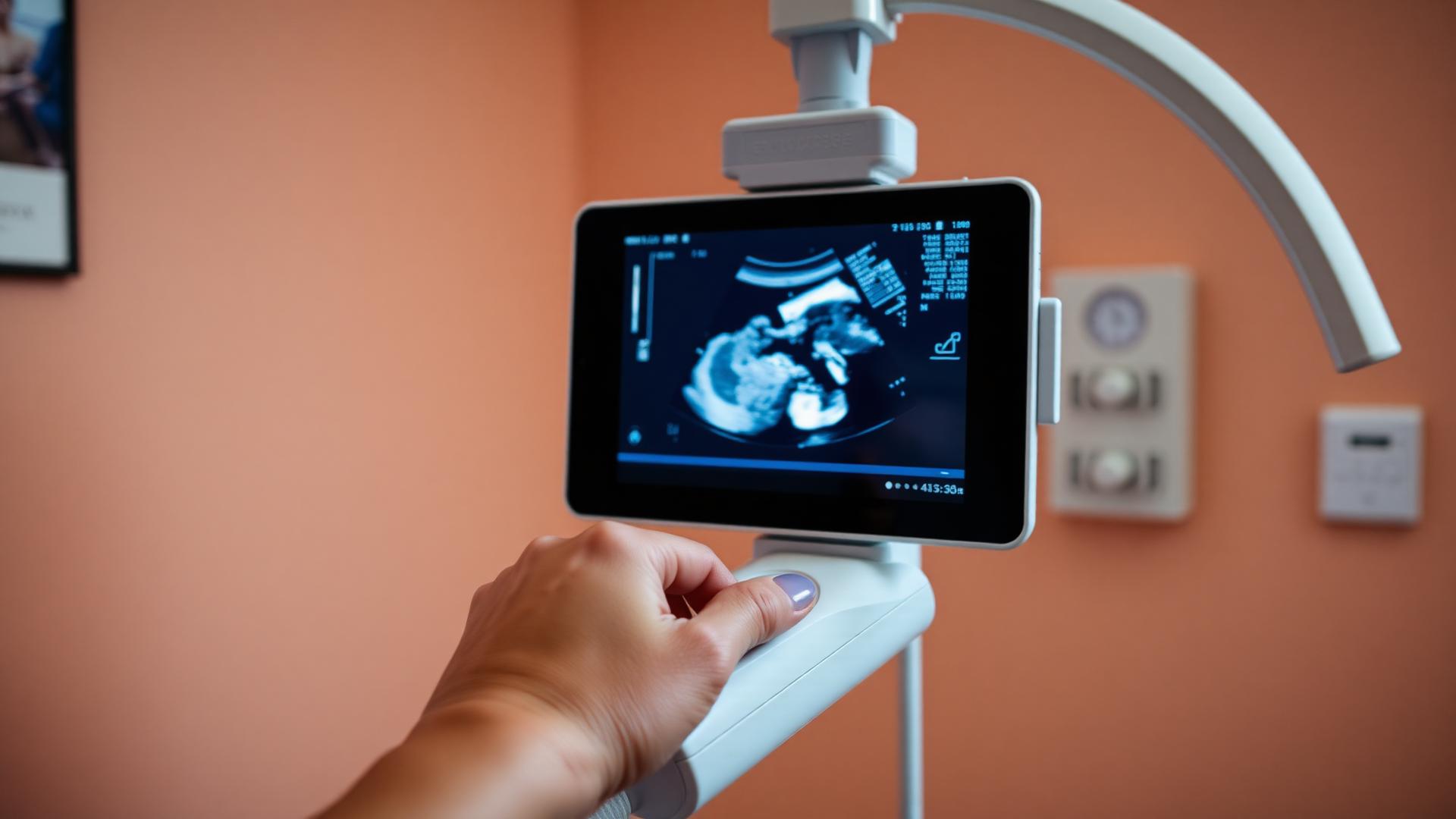
Twin pregnancies carry higher risk of preterm delivery, pre-eclampsia, gestational diabetes, and long NICU admissions. The one thing families never want to hear us describe is what happens when things go wrong at 28 weeks.
One healthy baby at a time is not a compromise — it is the goal.
Our policy at Global IVF
For women under 38 with a good-quality blastocyst, we default to single embryo transfer. Remaining embryos are vitrified for future transfers. If your first transfer does not succeed, your second is ready — no fresh cycle required.